


A Guide to Seasonal Eating in Fife

Updated: Jul 7, 2024
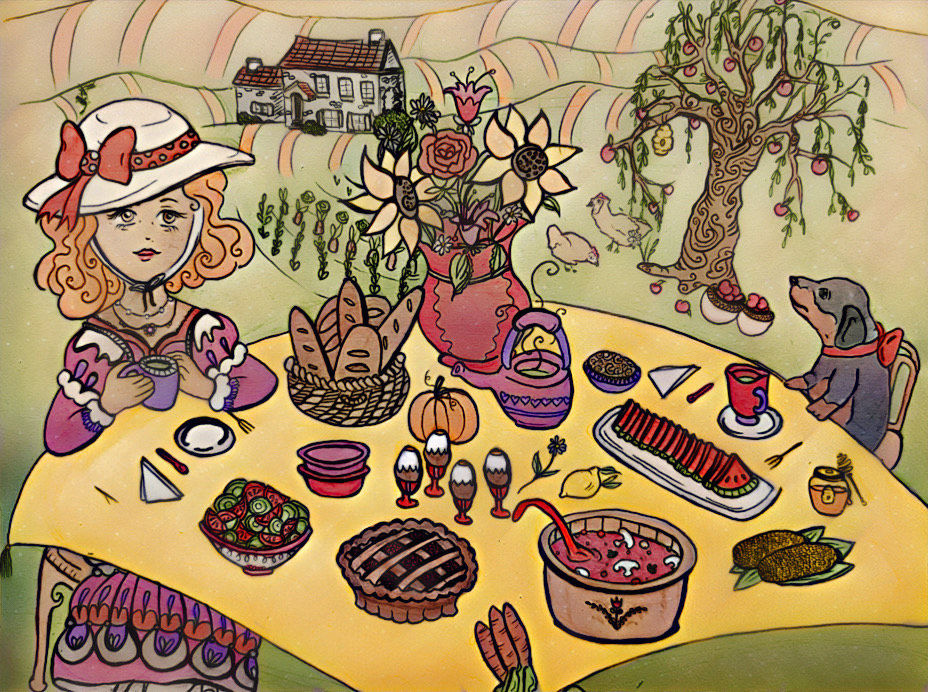
After a couple of months of home-cooked meals away from university, I’m sure I’m not the only one worried about returning to cooking for myself in autumn. The convenience of meal deals and the fear of turning on one’s oven from the 1950s is enough to turn any student off cooking for weeks. In our modern grocery stores, the constant availability of out-of-season fruits and vegetables has become the norm, creating an overwhelming food shop experience with the selection available year-round. As a student, adapting your eating habits to a seasonal eating cycle can make it easier to cook for yourself while being highly sustainable and great on your wallet.
Seasonal eating, the practice of consuming foods that are in season and locally grown, offers a plethora of benefits that are worth considering if you are looking to lower your weekly food shop costs or your carbon footprint. Out-of-season produce often requires energy-intensive greenhouse production or long-distance transportation, both of which contribute to greenhouse gas emissions. They also use more artificial heating and cooling, along with fertilisers and pesticides. On top of ecological benefits, the abundance of in-season produce drives down its prices, making your shopping significantly cheaper. Fresh produce at peak ripeness also allows more flavours and nutrients to come through in your dishes.
When looking at spending during a week where a student is living off meal deals, two £3.50 meal deals per day (lunch and dinner) for a week is £49. That could cover at least two weeks' worth of groceries (if you’re shopping at Aldi) while using less plastic wrapping, eating healthy, and supporting local farmers. Of course, exam season and coursework doesn’t always allow for creativity in the kitchen every day of the week. That is when, in my opinion, seasonal eating comes in most handy! Stocking up on fresh produce that is at its lowest price and peak ripeness, then meal prepping, can be extraordinarily helpful in saving time and money on your food. It saves you from buying food specifically for each meal and forgetting about it in the fridge until after it goes off.
One benefit of living in a university town as a student is the abundance of societies and organisations dedicated to making your life easier, especially in regard to sustainable living. Transition, a community-based organisation created to tackle climate issues in towns across Fife, has weekly budget-friendly and sustainable projects that support students, farmers, and locals. One of their most popular projects in the St Andrews area is The Tree, a student-led cooperative food stall that connects students with local farmers to sell seasonal produce each week. You can get specific fruits and vegetables during the weekly sale or you can get veg bags, which allow you to take home entire bags of fresh produce straight from farmers in Fife. They share recipes online and partner with Naturity to sell the best eco-friendly products in the area. If you’re looking to get into meal planning and seasonal eating, buying from The Tree is a great first step.
The hardest part of seasonal eating is knowing exactly what is in season and what is out. I recommend having a produce chart in your home or on your phone. Fife has a temperate maritime climate due to the high humidity, so we have great options that change throughout the year as humidity levels fluctuate. Spring brings produce like asparagus, leeks, radishes, and peas. These are great for meals like risotto, where you can throw any produce in the pot while still keeping to warm dishes since the Scottish spring is still quite chilly. Summer is best for fruits like raspberries and strawberries, along with tomatoes, cucumbers, and herbs. For those still in St Andrews over summer break, this would be a great time to make salads with tomatoes, cucumbers, and goat cheese paired with fruit-based desserts. Autumn has a fabulous array of produce in season, including squash, pumpkins, blackberries, apples, and brussel sprouts. These make for delicious soups and broths, and our American friends can impress us with pumpkin pie-making skills. Finally, winter produce includes root vegetables, kale, pears, and sweet potatoes. If you have a light coursework load, winter is perfect for hand-making a shepherd's pie, or making a stew with your ingredients from The Tree veg bag!
While eating sustainably seems incredibly daunting and expensive, a quick look at what’s in-season before your weekly grocery shop could save you an enormous amount of money and reduce your carbon footprint, especially if you can meal plan. Obviously, there’s only so much that a student on a budget can do, but grocery stores in our town make it easy to spot which produce is in season, and local initiatives in Fife simplify that process even further. If you have the time and money, it is certainly worth the trouble to try and make a difference in the way you shop and eat.
Illustration by Isabelle Holloway


Reading about seasonal eating traditions highlights the importance of cookware and tools in creating meals that connect us to nature. For anyone who spends time in the kitchen, the choice of pots, pans, and utensils can make all the difference in cooking quality. This is where brands like hexclad come into discussion, promising innovation with hybrid stainless steel and non-stick surfaces. Yet, while many praise the durability and ease of use, others raise complaints about pricing or long-term performance. It demonstrates how kitchen culture isn’t just about food itself but also the tools that make the process enjoyable or frustrating.